

Fuel Theft Prevention Systems
for Public and Municipal Service Vehicles
Service vehicles operated by public institutions and organizations—including units reporting to ministries, special provincial administrations, municipalities, and municipal subsidiaries—constitute the most important elements of public services in the field.
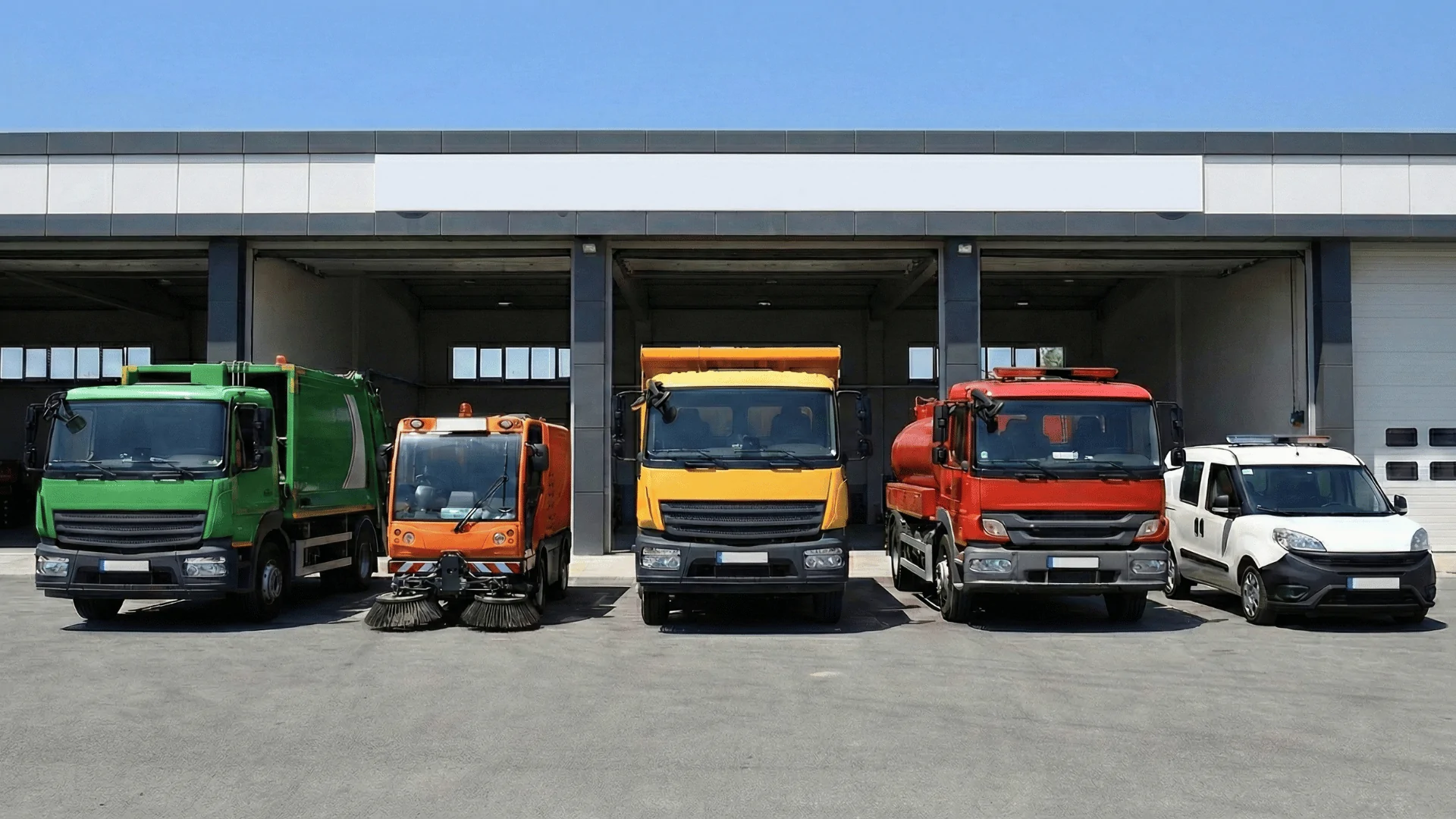
In this context, fuel represents the largest operational expense item in large service fleets, which include garbage trucks, road sweepers, water tankers, vacuum trucks, funeral transport vehicles, road maintenance and science affairs vehicles, and water and sewage service vehicles, as well as public transport and shuttle vehicles.
Ensuring the effective, transparent, and accountable use of public resources, preventing waste, and maintaining budget discipline is a strategic necessity for government institutions. However, fuel leakages, unauthorized uses, and abuses occurring in these large vehicle fleets—where supervision can be difficult—lead to significant and recurring losses in the public budget.
Fuel Guard Fuel Tank Security and Automation Systems offer holistic solutions that fully secure the fuel tanks of all public service vehicles, both mechanically and electronically. By preventing fuel theft, unauthorized interventions, and uncontrolled consumption at a rate of 100%, it contributes directly to the protection of public resources and sustainable financial management.
Fuel Guard systems are designed as projects compatible with the existing vehicle infrastructure and automation systems of government institutions, municipalities, and affiliated organizations. With long-lasting, maintenance-free structures and products under warranty, they represent a secure and permanent investment for public institutions.

Environmental Cleaning & Garbage Collection Vehicles
Fuel Security Systems
Garbage collection and environmental cleaning vehicles operate in neighborhoods and streets all day long and are parked in garages or around facilities at night. Large fuel tanks on these vehicles become an attractive target for thieves, especially during night hours. FuelGuard stops diesel theft occurring both in the field and in garage areas at the source by protecting the tank mouth, bottom discharge, and float areas of garbage trucks with multi-point security components.

Road Sweeping & Washing Vehicles
Fuel Security Systems
Road sweeping and washing vehicles generally operate late at night and early in the morning in the city center or on main arteries; after the duty, they remain parked in the garage or at site areas. FuelGuard protects the compact but high-consumption fuel tanks of these vehicles with anti-siphon modules and complete tank security sets, preventing diesel theft attempts that may occur in night parking and protecting fuel expenses in the municipality's cleaning services.

Water, Sewage & Vacuum Truck Vehicles
Fuel Security Systems
Watering and tanker vehicles serving in the parks and gardens unit work with night watering programs, especially in the summer season, and remain parked most of the time in parks, gardens, and roadsides. By securing the fuel tanks of these vehicles with anti-siphon solutions and protection sets suitable for field conditions, FuelGuard minimizes diesel theft that may occur both during field stops and in garage parks.

Park, Garden & Irrigation Vehicles
Fuel Security Systems
Irrigation and tanker vehicles serving in the park and gardens unit operate with night irrigation programs, especially in the summer season, and often remain parked in parks, gardens, and roadsides. By securing the fuel tanks of these vehicles with anti-siphon solutions and protection sets suitable for field conditions, FuelGuard minimizes diesel theft that may occur during both field stops and garage parking.

Municipal Police, Science Affairs & Service Vehicles
Fuel Security Systems
Municipal police, science affairs, and other service vehicles perform scattered duties throughout the city; they frequently engage in stop-and-go operations during the day and are parked in various garages or field points at night. FuelGuard protects the fuel tanks of light commercial and truck group vehicles in these fleets with physical security solutions, preventing "invisible" consumption caused by users and blocking theft attempts in field parking areas; it secures the fuel of public service vehicles.

Disaster, Fire & Emergency Support Vehicles
Fuel Security Systems
The fuel of vehicles serving in disasters, fires, and emergency situations is of vital importance for uninterrupted service at critical moments. Although these vehicles mostly wait in garages and stations, they remain parked in field areas for long periods during incidents, and their fuel tanks come under risk. FuelGuard protects the fuel tanks and critical fuel line points of fire and disaster logistics vehicles with project-based solutions, ensuring they perform their duties safely in the field and protecting the fuel costs of these special fleets.


